Programming
Tricia Enns
Ventology Training and Sensing
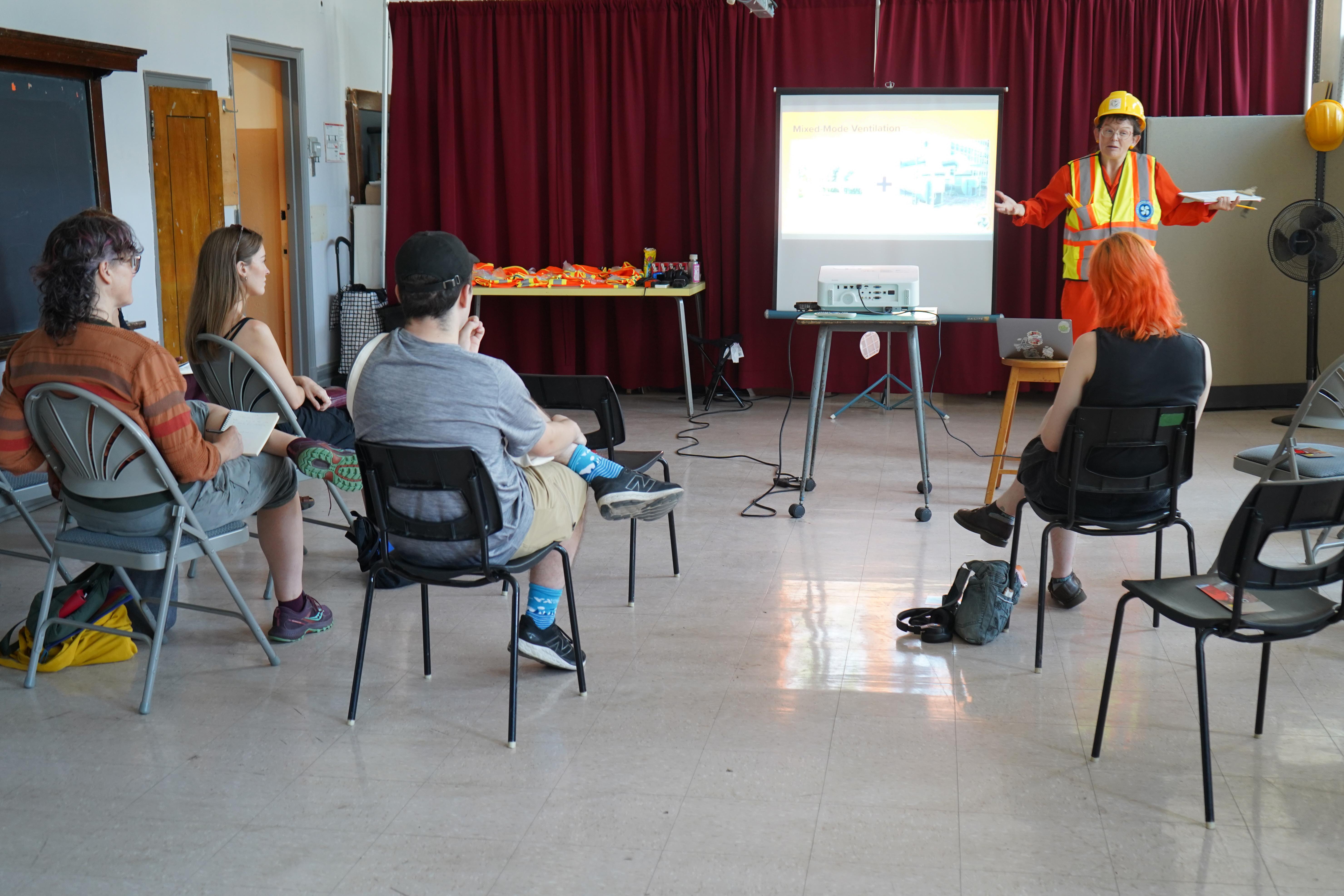
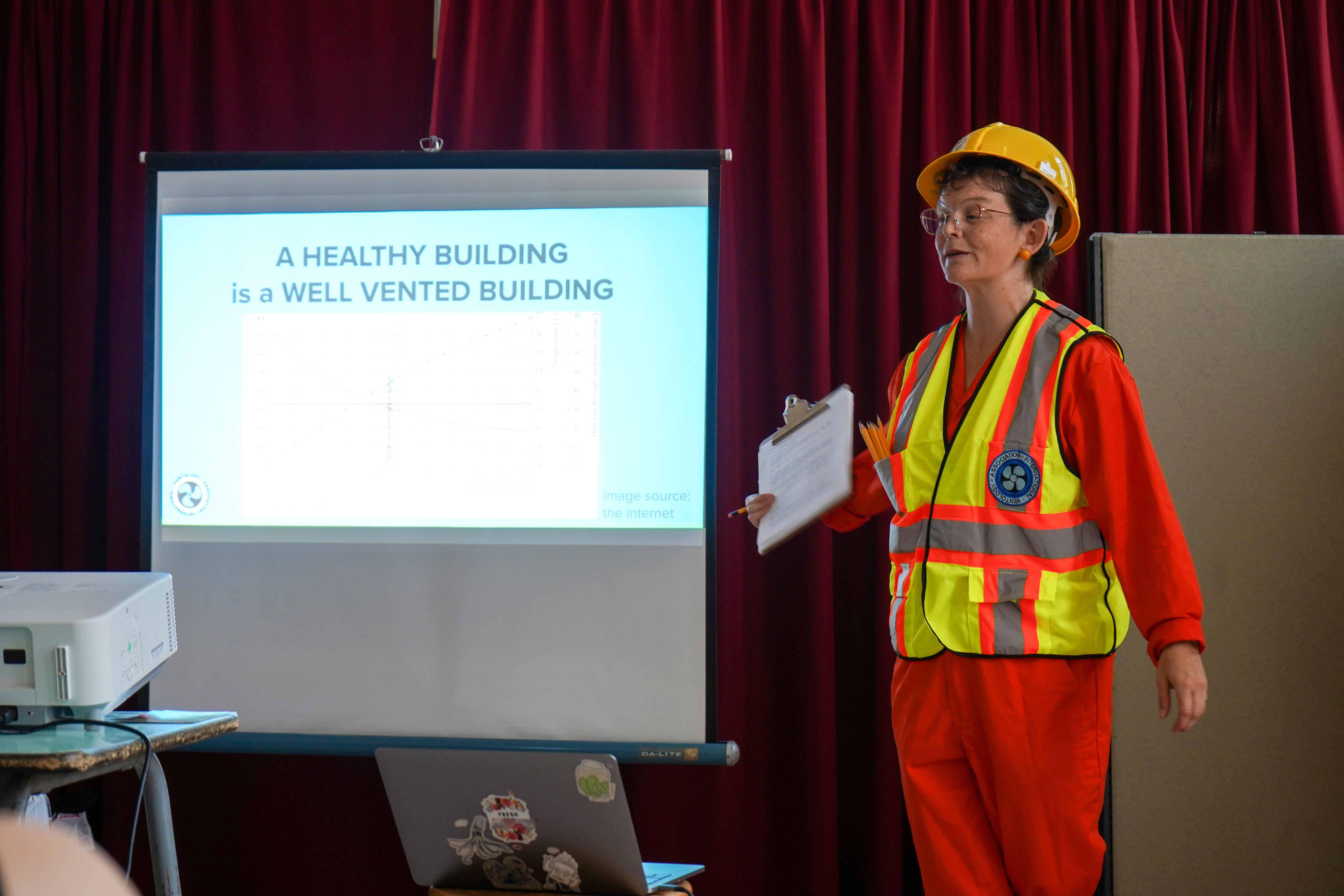
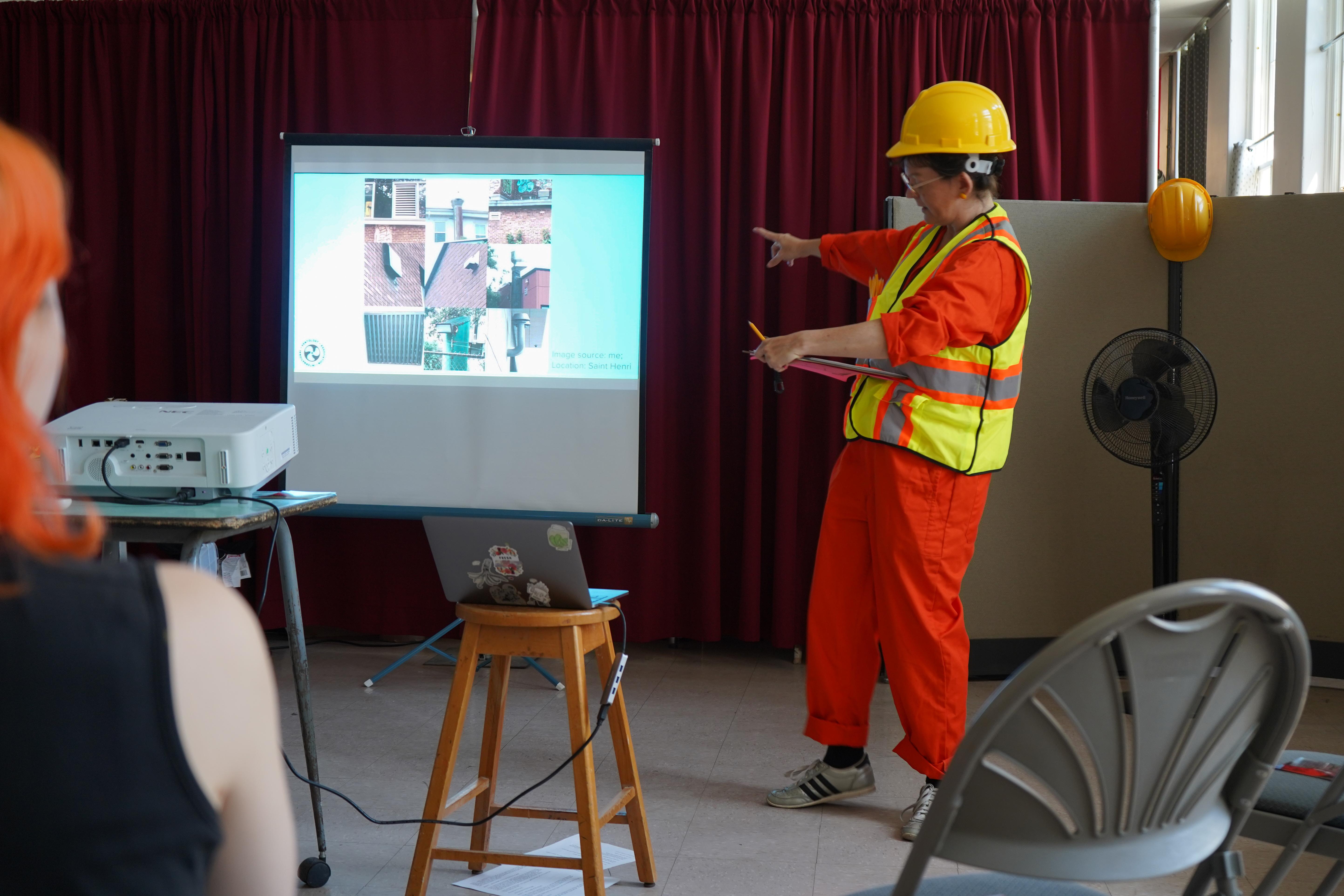
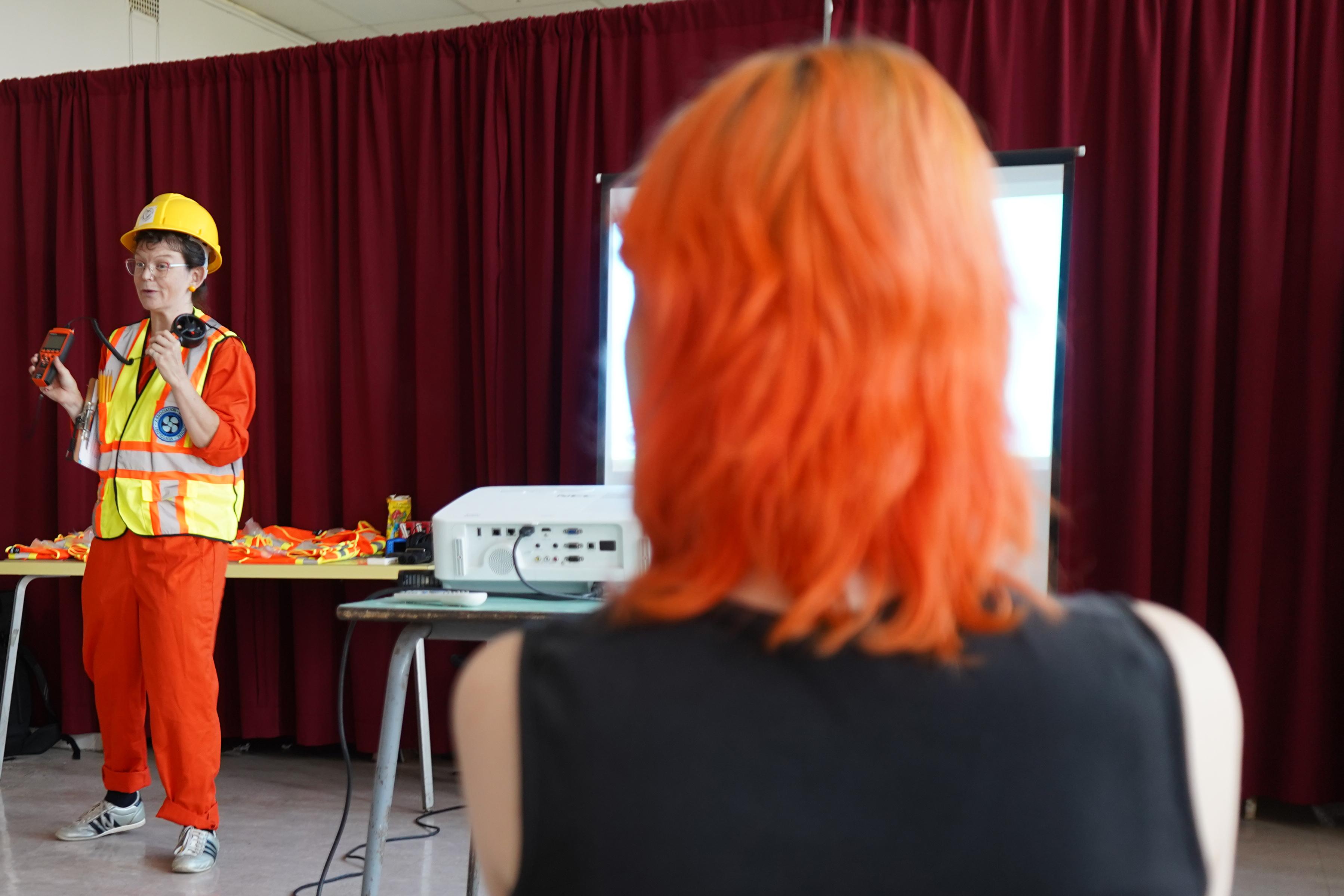
What does the air above your neighbourhood actually smell like? What sounds are escaping through the vents on your block? Ventology Training and Sensing invites you into a world full of blowing hot—and sometimes pulpy—air.
View more
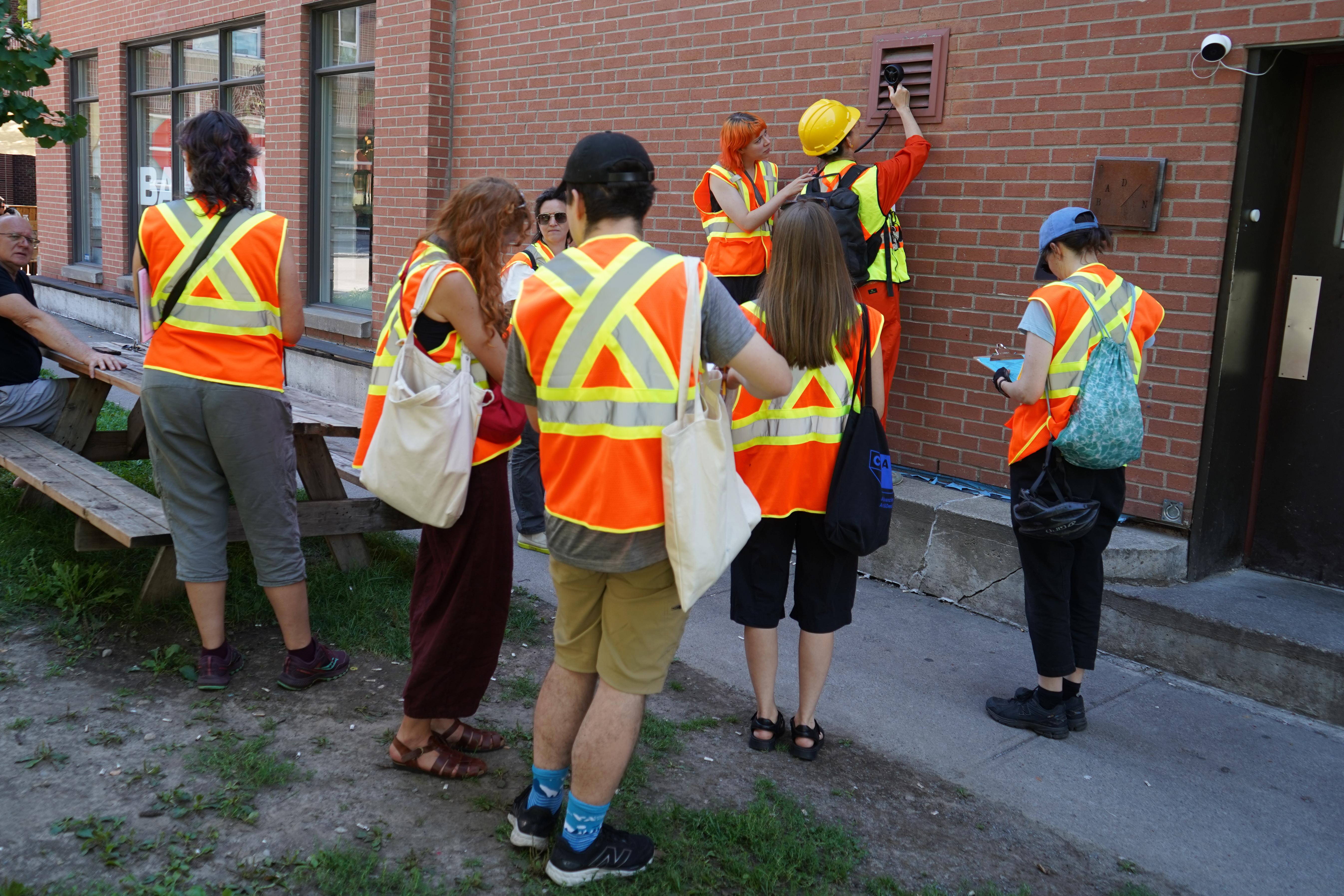
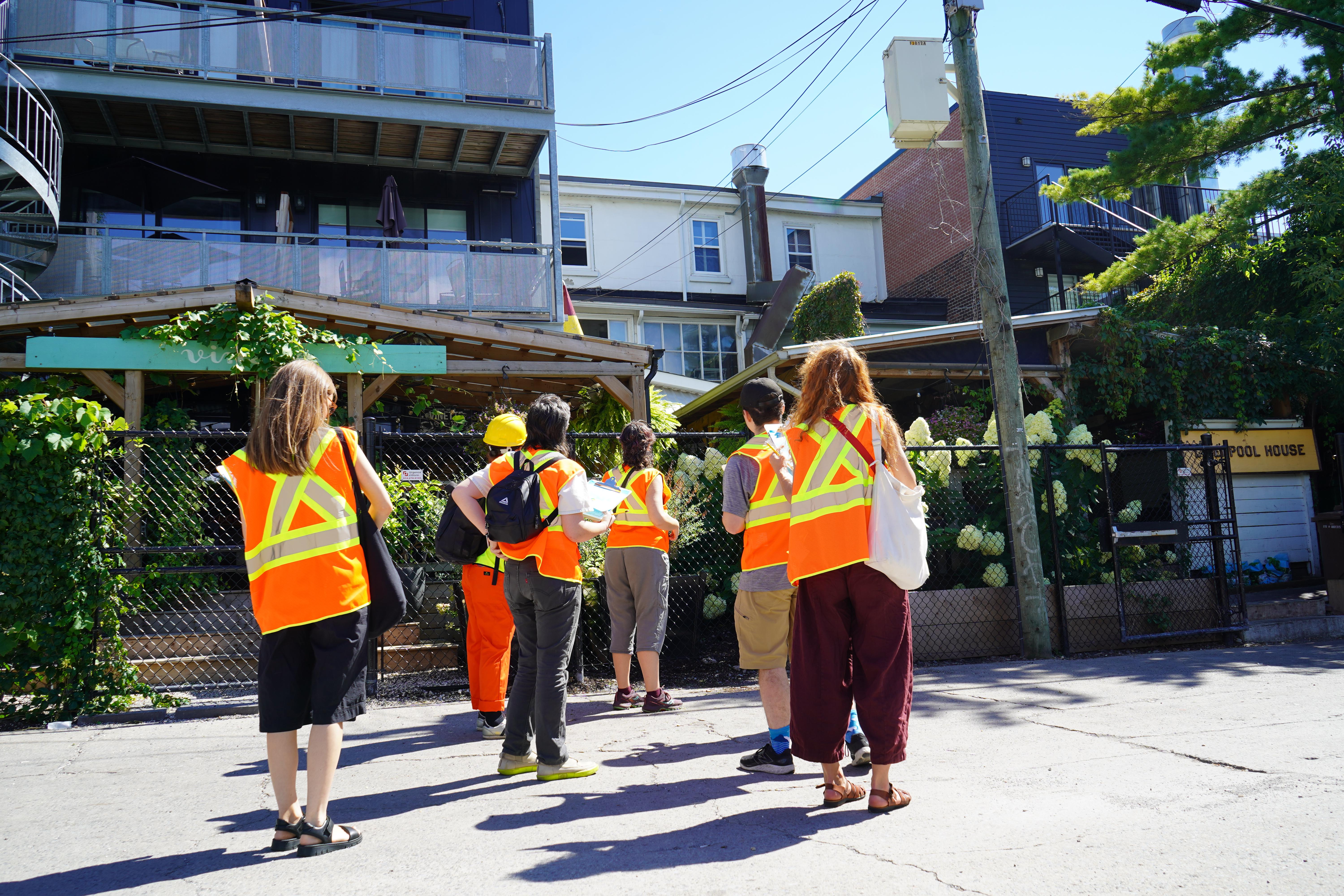
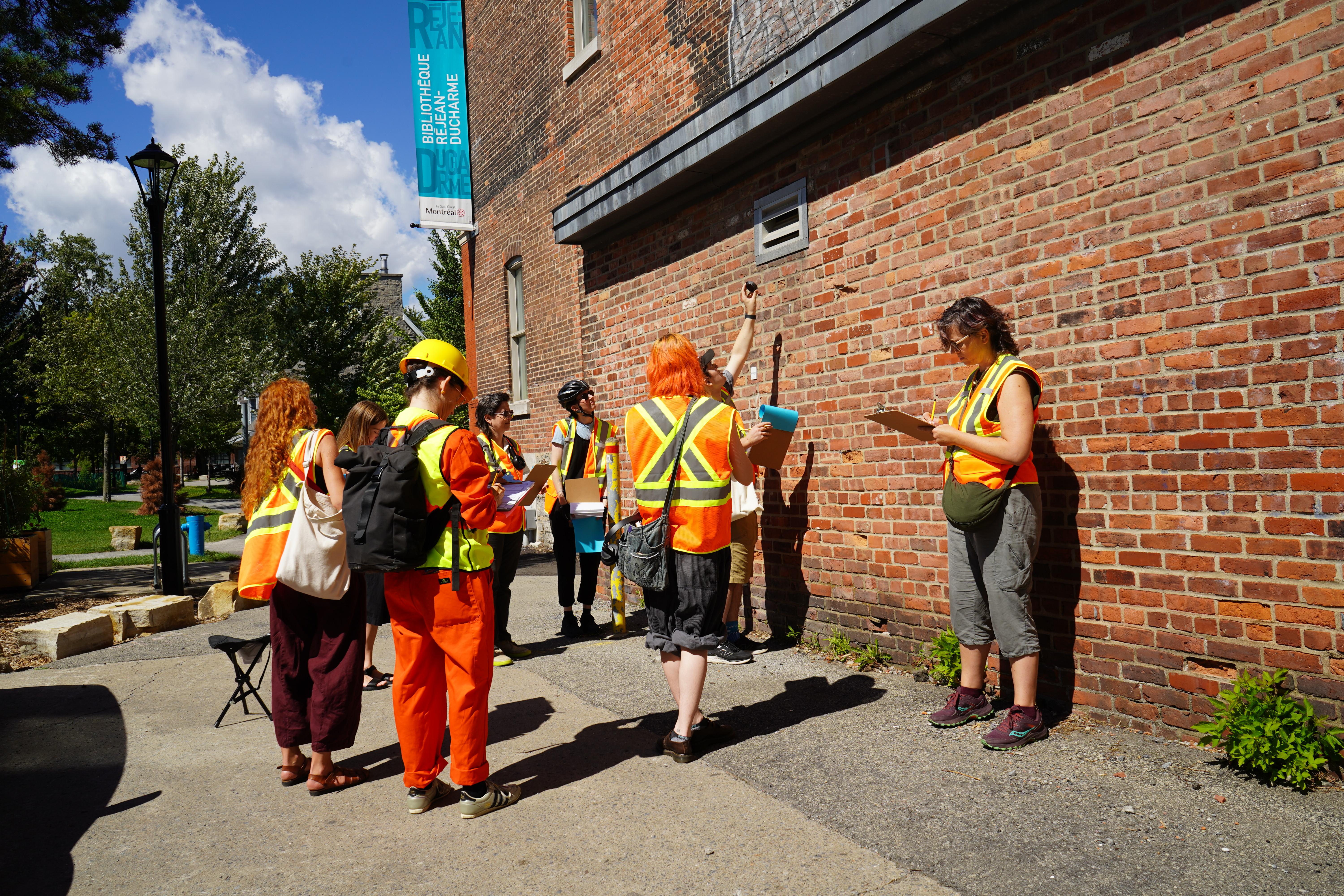
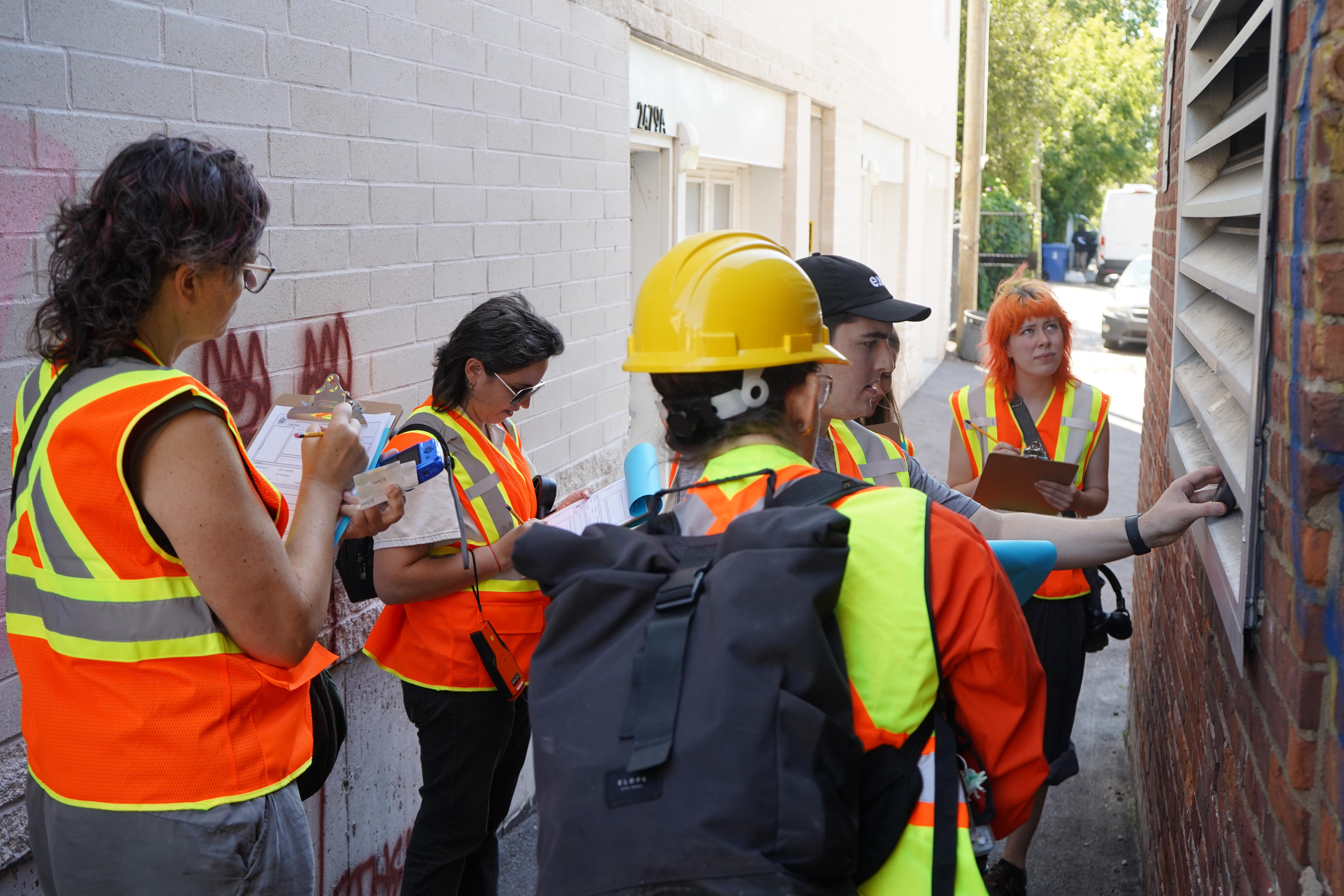
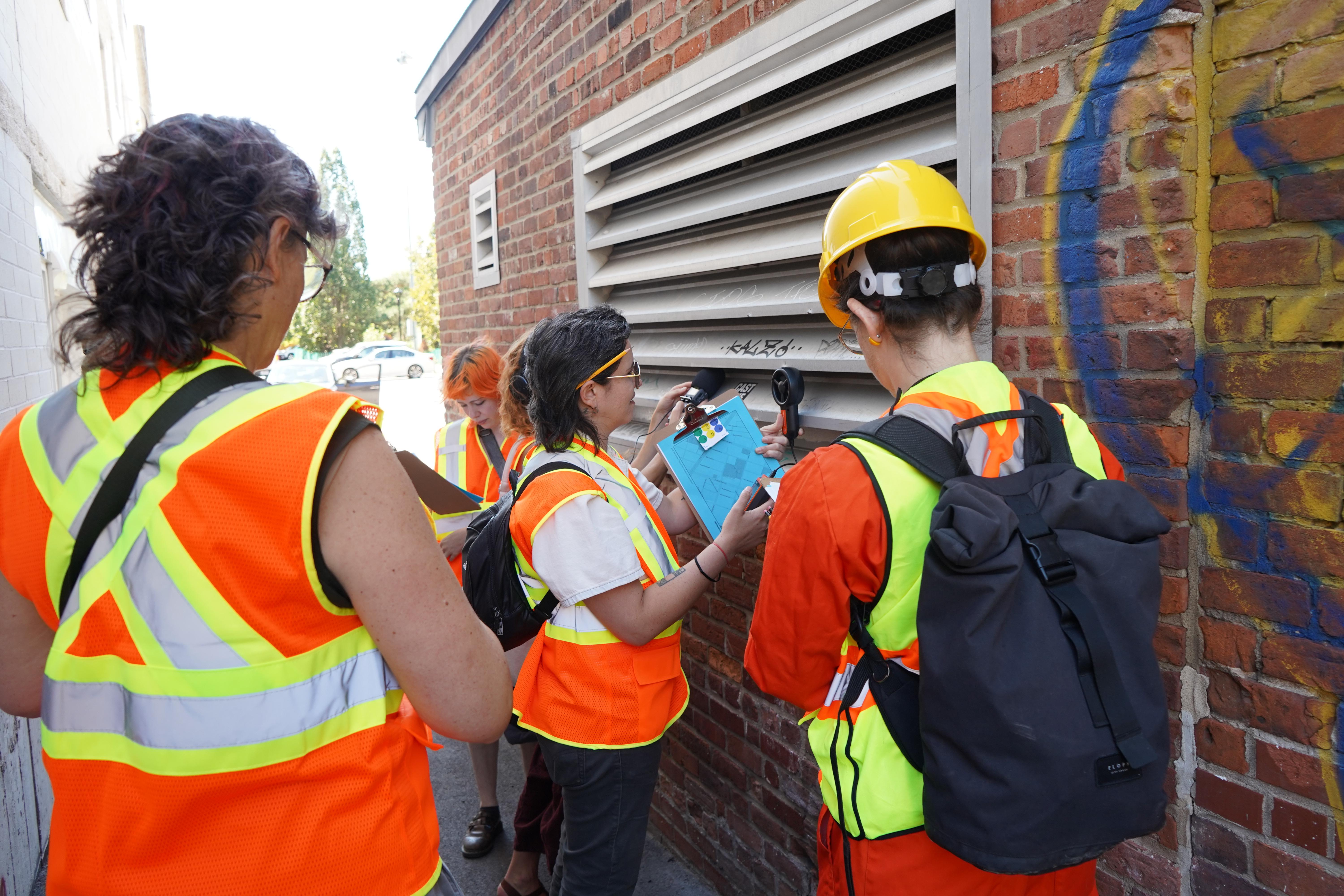
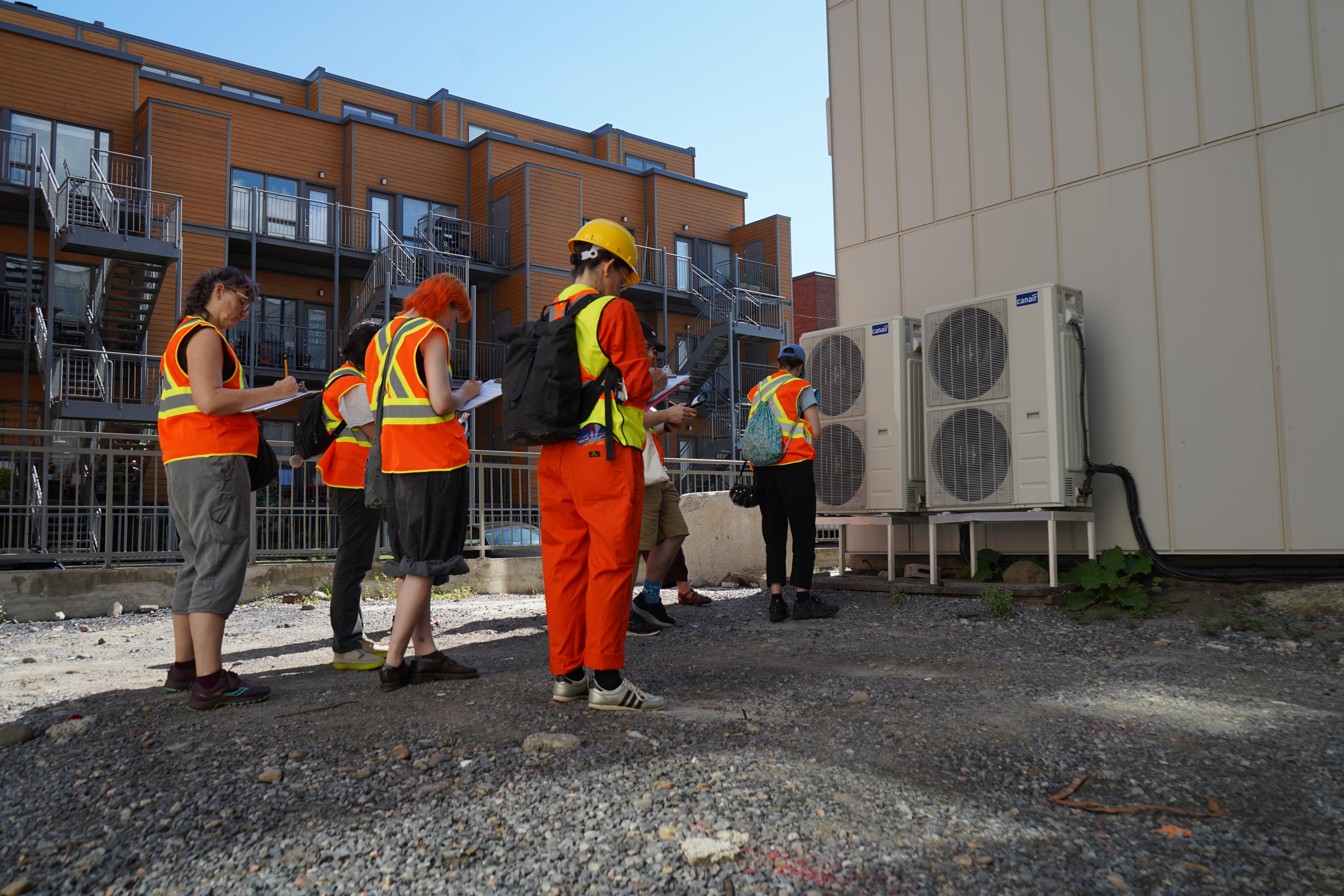
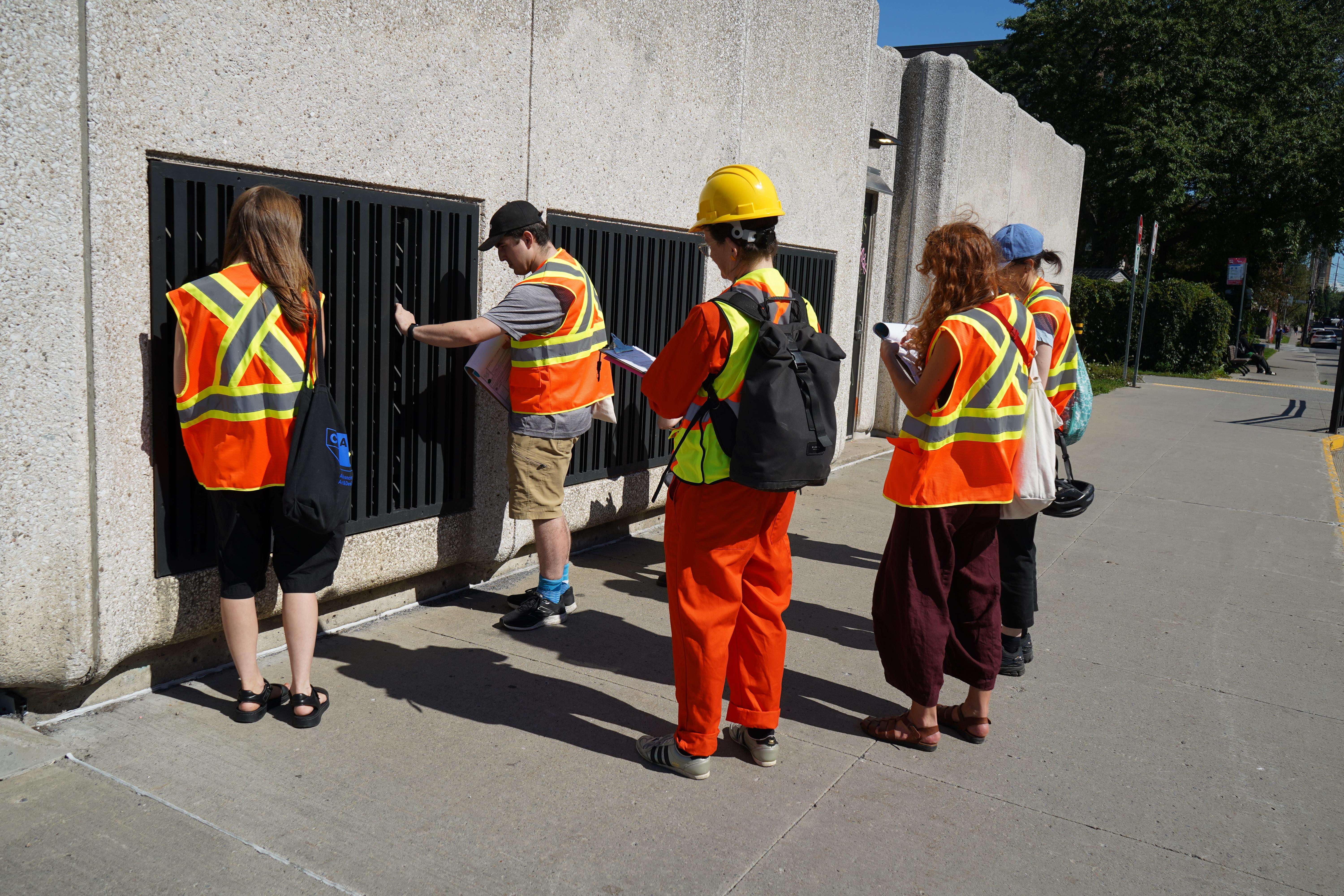
What does the air above your neighbourhood actually smell like? What sounds are escaping through the vents on your block? Ventology Training and Sensing invites you into a world full of blowing hot—and sometimes pulpy—air.
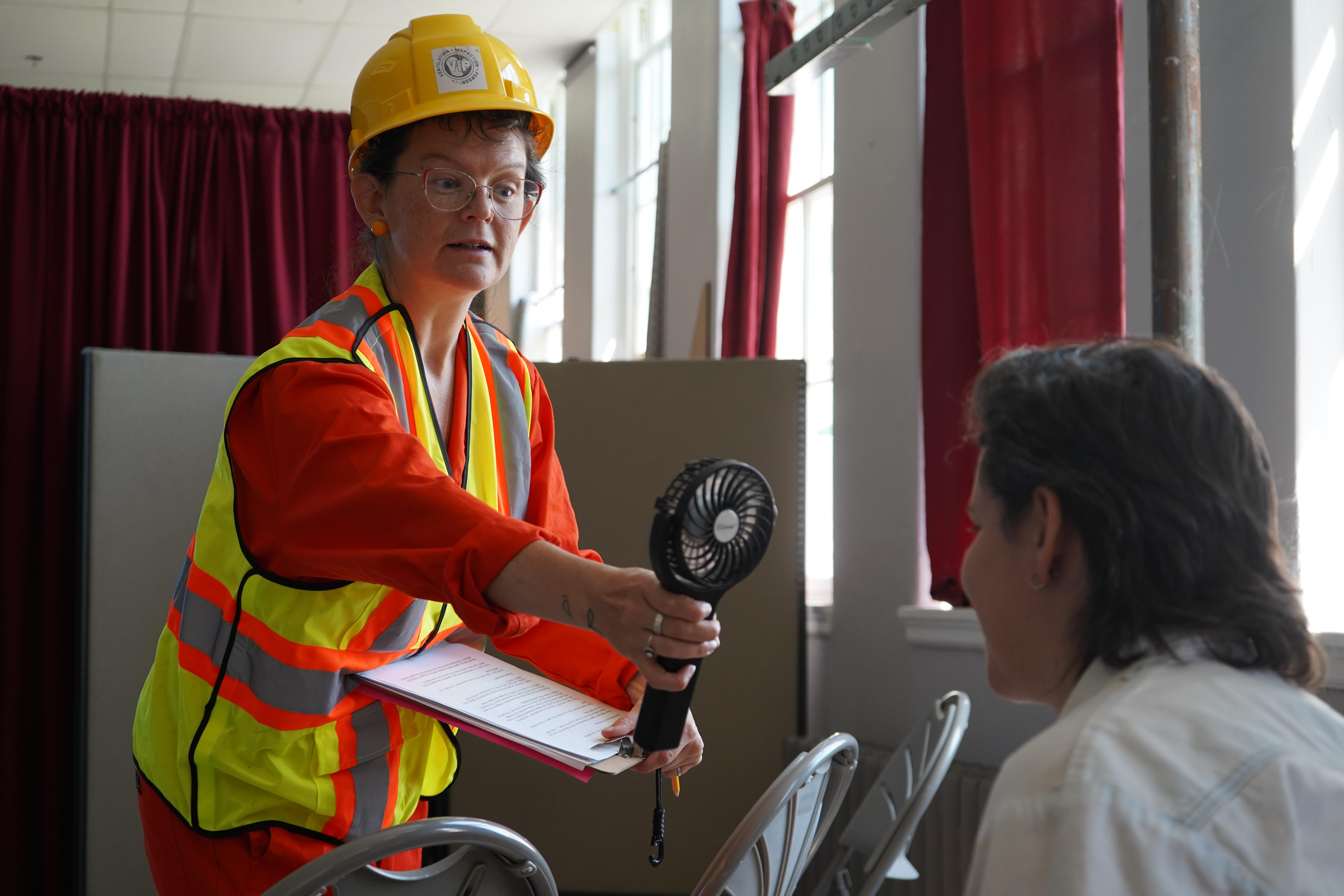
Led by the inimitable Dr. Bree Z. Flow (aka Tricia Enns), each session begins indoors with a 30-minute performance-lecture introducing the surprisingly compelling world of ventilation systems: their history, their neglect, and their quiet yet essential role in keeping us alive. It gets noisy, passionate, caring, and perhaps surprisingly emotional.
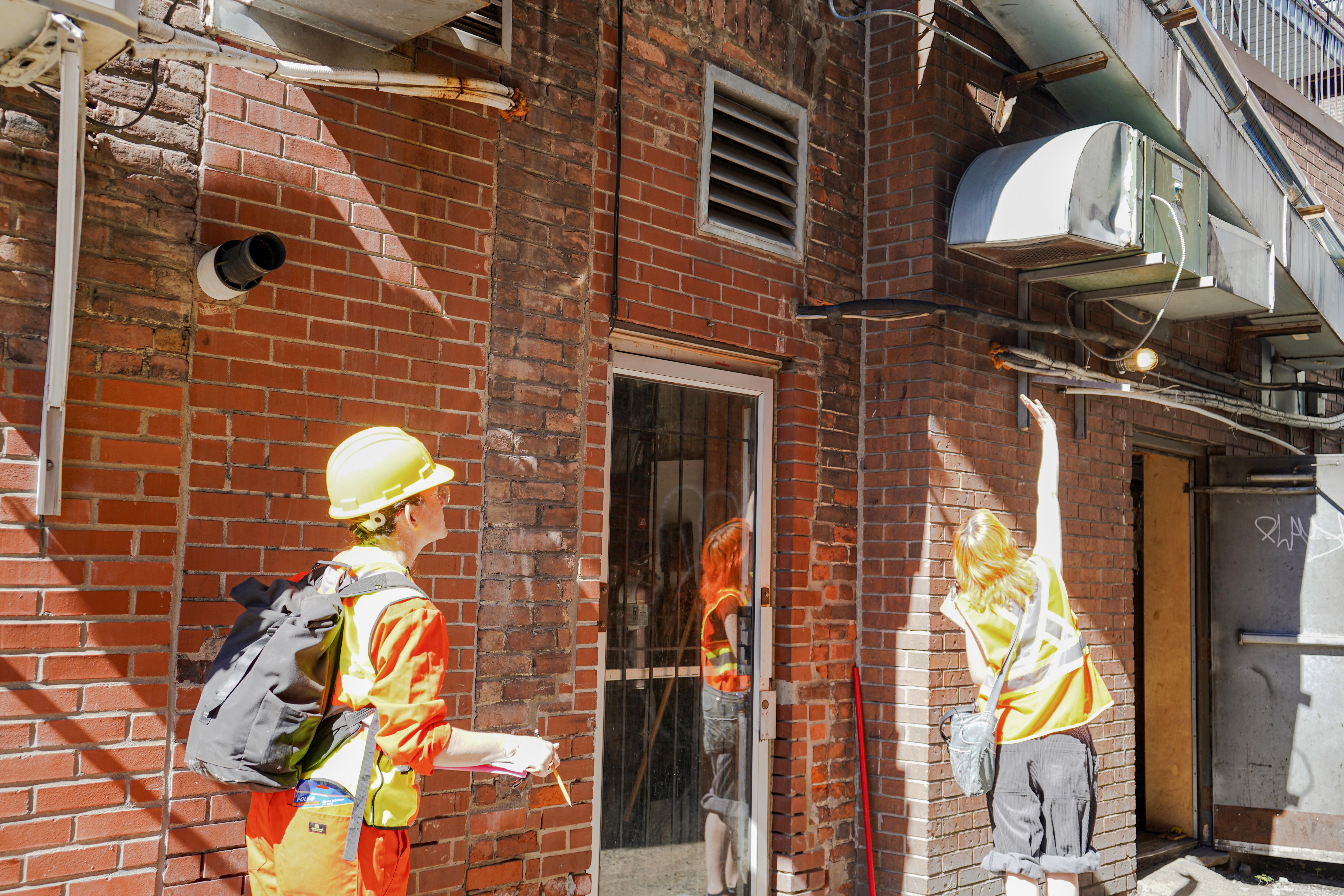
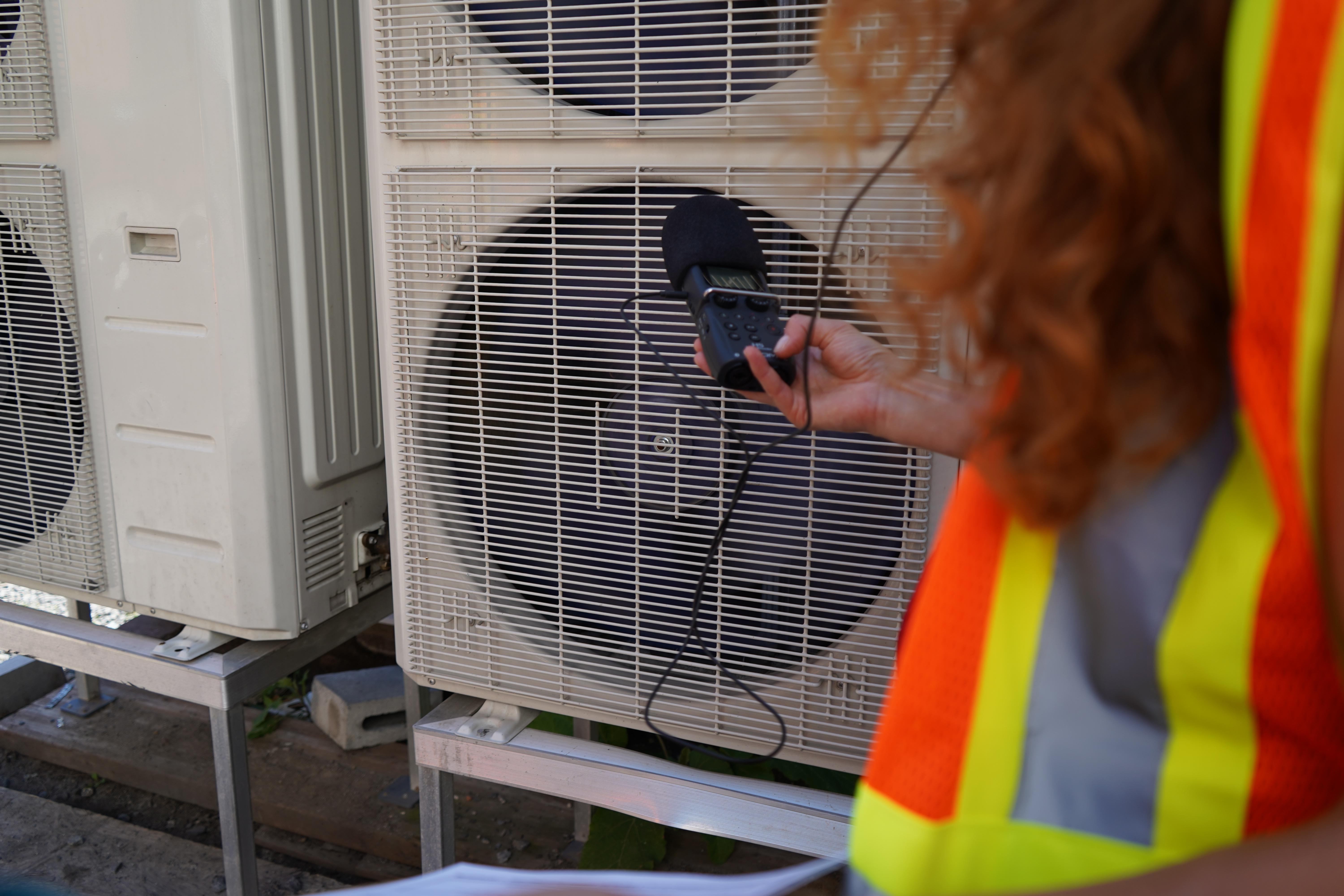
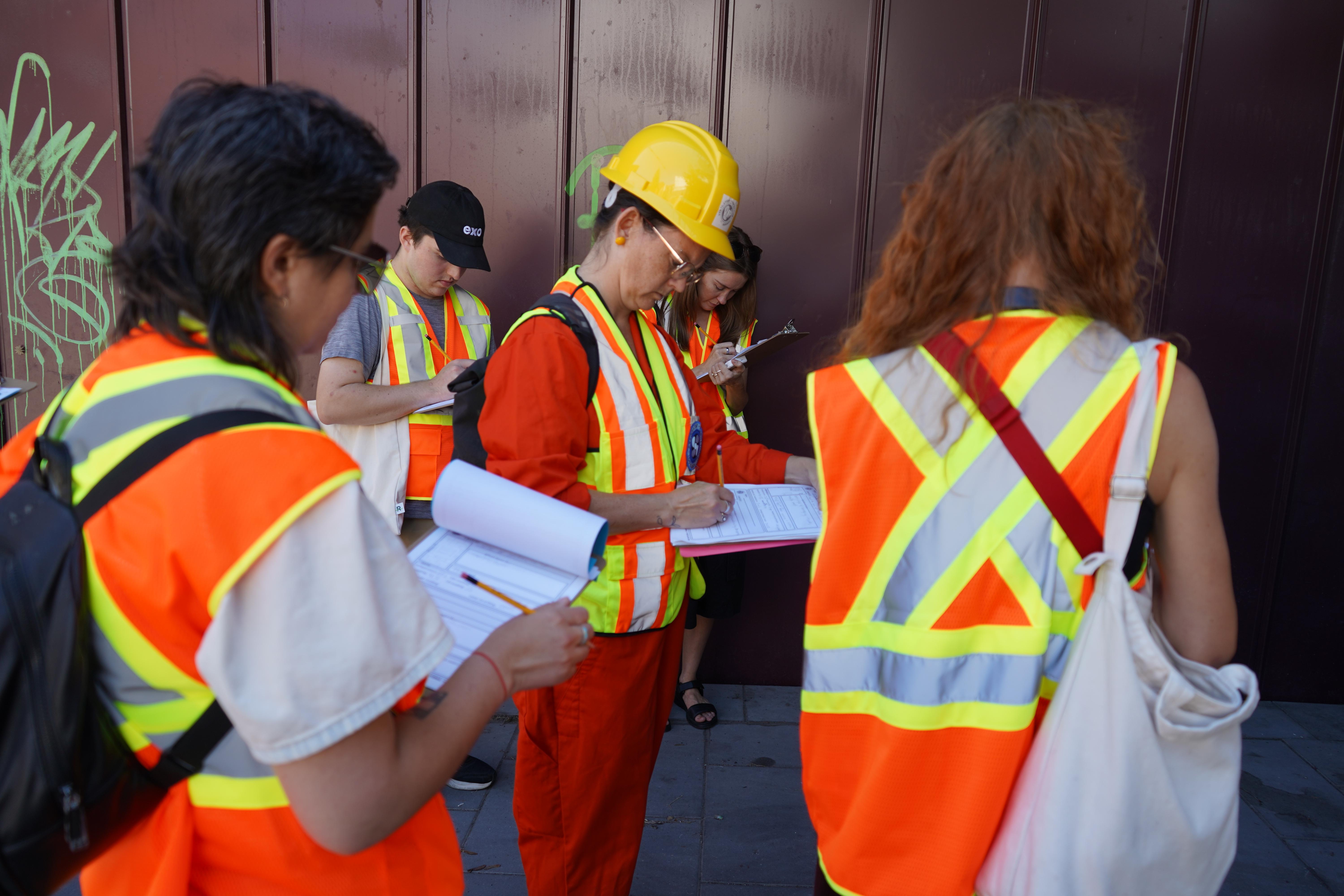
Then comes the fieldwork. Suited up in high-visibility vests, hard hats, gloves, and masks, participants take to the alleyways and streets of Saint-Henri to track vents—smelling, listening, feeling, and measuring vented air with shared instruments. You'll record sounds, data points, feelings, memories, emotions, and the odd dream that surfaces. The data may seem absurd, but it's important. Just you wait.
Your collective curiosity becomes a moving performance that activates public space and invites passersby into something they can't quite name. At the end of each successfully completed training session, participants receive official accreditation as Ventology Inspection Personnel (VIP). They are now part of the international movement.
Ventology Training and Sensing takes place three times—August 29, October 24, and December 11, 2026. Each session contributes data to a freely accessible online database and to a free foldout map of Saint-Henri's ventilation systems, distributed through local establishments. Come once and breathe in the air no one is talking about.
REGISTRATION FORM

Tricia Enns
Tricia Enns is an artist and designer currently based in Tiohtià:ke/Montreal, Québec, whose practice moves fluidly across disciplines, materials, and modes of inquiry. Originally from Waterloo, Ontario, their work combines low- and high-tech approaches to critically and playfully examine relationships to place, memory, and overlooked forms of knowledge. Through creative cartography, debris, video, deep listening, electronics, sound art, handmade paper, textiles, walking practices, scores, and zine-making, Enns develops participatory frameworks that invite collective reflection on how knowledge is produced, embodied, and shared. In recent years, their practice has increasingly explored questions of connection, care, and belonging, informed by lived experiences of queerness and chronic pain. Resistant to fixed categorization, Enns approaches artistic practice as an evolving process shaped by movement, transformation, and relational exchange.